
TERRACE | BEST IN LANDSCAPE LIGHTING | MAX your moment
The Evolution of Garden Lighting in Western Design: From Torches to Smart LEDs

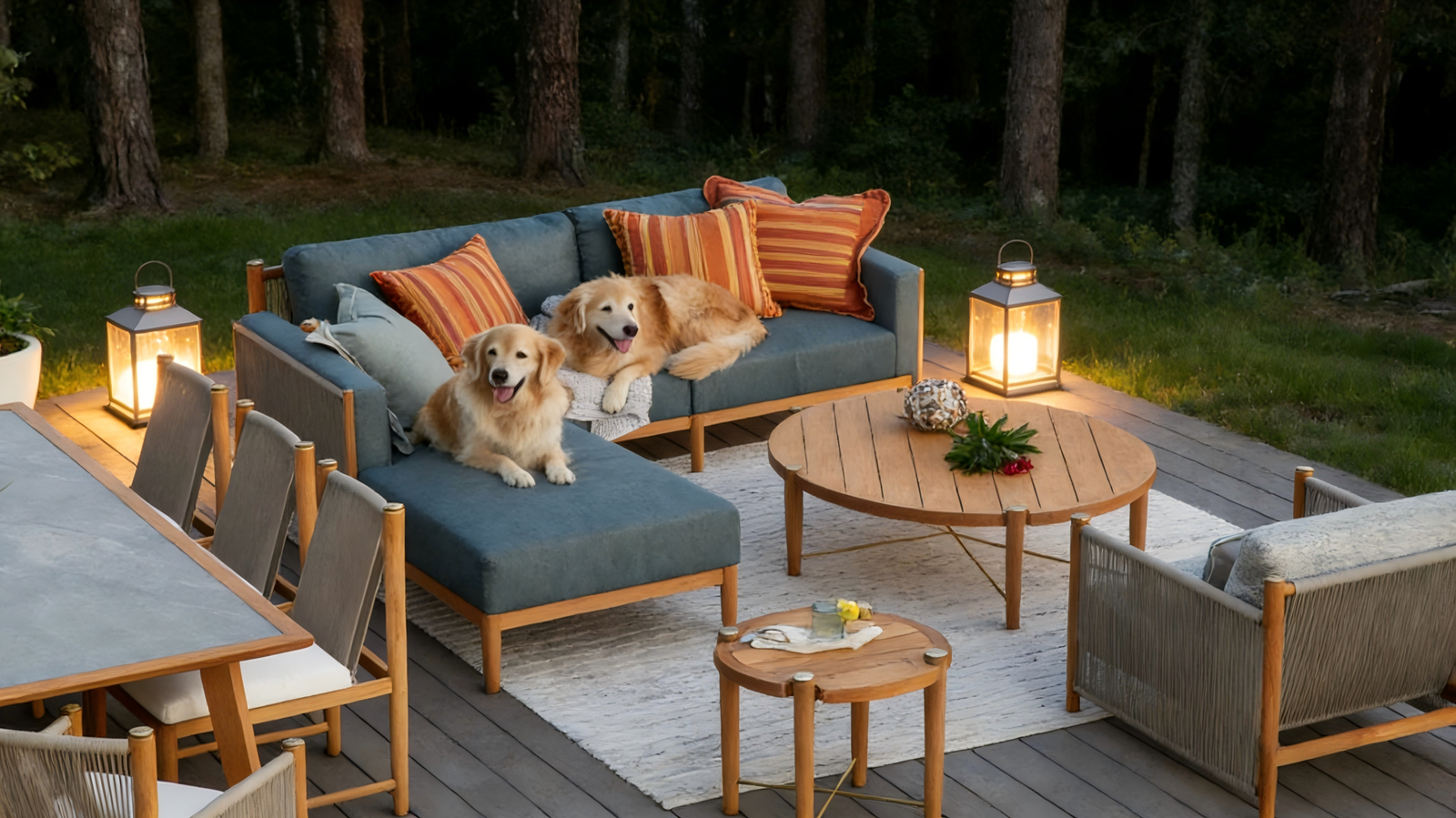
Have you ever wandered through a beautifully lit garden at dusk, where light seems to magically guide your path and highlight the beauty of nature? The art of garden lighting in Western design has a rich history, evolving dramatically from simple functional fixtures to becoming a core element of landscape art and smart living. Let’s explore this fascinating journey.
- The Classical Era (17th-18th Century): Formality & Order
The story begins in the grand formal gardens of the Renaissance and Baroque periods, like Versailles. Lighting wasn’t about comfort but drama and symbolism. Stone or metal torches and oil lamps were used sparingly to illuminate sculptures, fountains, and key pathways during celebrations, reinforcing the garden’s geometric order and the owner’s power. Designs were heavy, made of wrought iron, bronze, or stone, and often featured classical architectural motifs. - The 19th Century: Gaslight & Romanticism
A revolution arrived with gas lighting. As cities like London and Paris adopted gas street lamps, wealthy estates followed suit. For the first time, gardens could be reliably illuminated. The Victorian era loved ornate cast-iron lampposts with glass shades. Meanwhile, the Romantic English Landscape movement preferred a softer, “picturesque” approach, hiding lights among trees to create a mysterious, poetic atmosphere. - Early 20th Century: Electrification & Modernism
The widespread adoption of electricity was a game-changer. Lighting became systematic, safer, and more versatile. The Modernist movement, led by Bauhaus principles, championed “form follows function.” Simple, geometric fixtures in steel and aluminum focused on directing light efficiently. The Art Deco period added sleek, streamlined designs. - Mid to Late 20th Century: Environmental Awareness
By the 1960s, landscape architecture matured. Lighting design started considering its environmental impact. The focus shifted to minimizing light pollution using downlights, wall washers, and recessed ground lights. New technologies like halogen and low-pressure sodium lamps offered better efficiency. The Postmodern era saw a playful mix of historical references (like neoclassical lanterns) with contemporary lines, and rustic styles using materials like terra cotta and weathered wood became popular. - The 21st Century: Sustainability & Smart Tech
Today, we are in the era of LEDs and intelligence.
- The LED Revolution: Ultra-efficient, long-lasting, and color-tunable LEDs allow for tiny, discreet fixtures—think strip lights in steps or invisible underwater lamps.
- Smart Systems: Lighting is now controlled by apps and sensors, creating adaptive scenes for dining, relaxing, or security.
- Eco-Design: Solar-powered lights are commonplace, and materials are chosen for recyclability.
The design philosophy is human-centric, considering how light affects mood and well-being. The trend is towards minimalism and integration; the fixture often disappears, letting the play of light and shadow take center stage, creating effects like the soft “moonlight” glow.
Classic Examples in a Nutshell: - 19th c. Kew Gardens (UK): Gaslights blended with classic ironwork.
- 20th c. Getty Center Gardens (USA): Robert Irwin’s embedded LED systems create a dialogue between light and plants.
- Contemporary Hof van Doesburg Garden (Netherlands): An immersive light experience changing with the seasons.
Final Thoughts
The journey of Western garden lighting—from status symbol to ecological tech-integrated art—mirrors our changing relationship with nature, technology, and beauty. It’s no longer just about seeing in the dark; it’s about creating emotion, extending living spaces, and enhancing our connection to the outdoor world. The future promises even deeper integration, with lighting becoming a truly responsive and sustainable layer of the garden itself.
What’s your garden lighting style? Do you prefer the rustic charm of a classic lantern or the sleek adaptability of smart LEDs? Share your thoughts below!