
TERRACE | BEST IN LANDSCAPE LIGHTING | MAX your moment
The Art of Garden Lighting: Path Lights & Spotlights, the Guide and Painter of the Night Garden

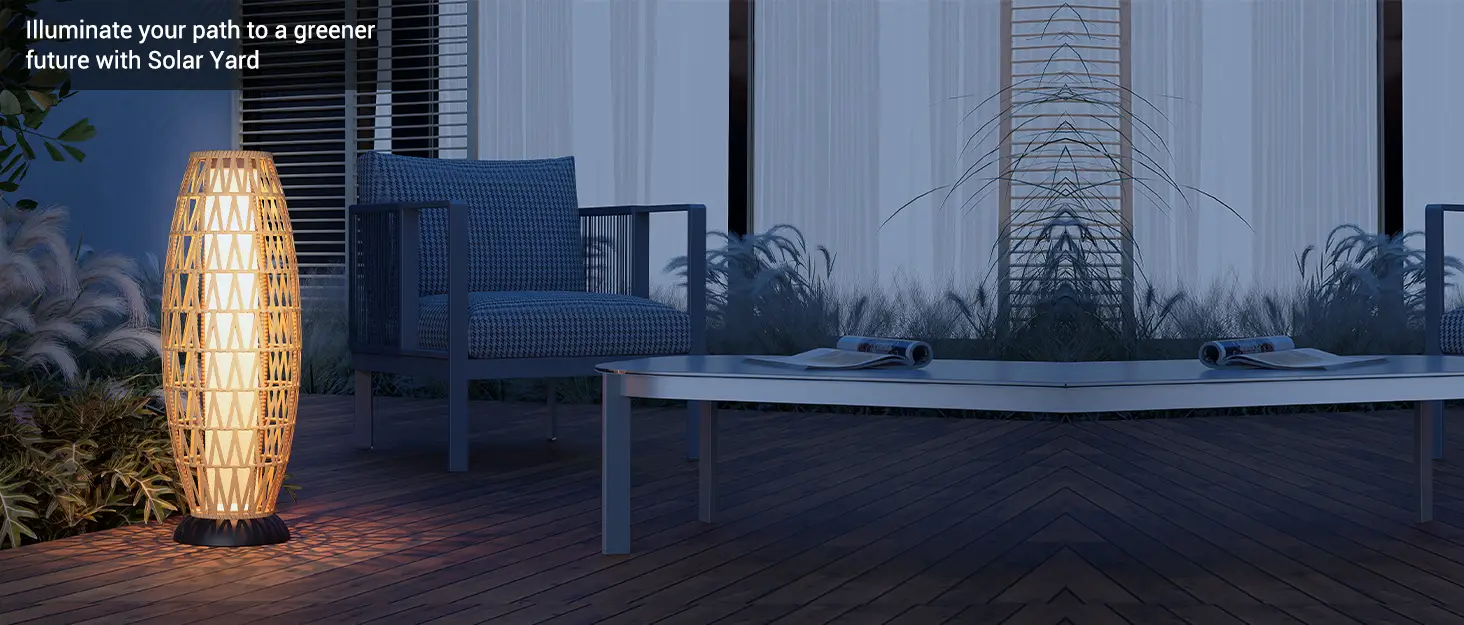
Have you ever felt lost in your garden at night, or thought your yard loses its daytime charm after sunset? The answer may lie in the lighting you choose. Today, we’re diving deep into two essential players in landscape lighting design: Path Lights and Spotlights. One is the silent guide, the other a master of light and shadow—together, they compose the poetry of the night garden.
1. Path Lights: The Gentle Guides of the Night
Path lights are more than just functional fixtures—they are the skeleton of your garden’s structure, the source of safety and direction after dark.
Design & Function
Core Mission: Ensure safety and guide movement.
Common Types:
- Low Bollard Lights: Standing at 40–70 cm, they cast a soft glow downward without obstructing views.
- Mushroom Lights: Like luminous mushrooms growing in the garden, they focus light into warm, inviting pools on the ground.
- In-Ground / Recessed Lights: Flush with the surface, they provide subtle, modern illumination for steps and pathway edges.
- Linear LED Strips: Hidden along walls or under railings, they offer continuous, even light.
Layout Wisdom:
- Space fixtures 2–3 times their height apart for seamless visual flow.
- Keep them below eye level to prevent glare.
- Follow the natural curve of the path rather than rigid, mechanical spacing.
Design Philosophy:
The best path lights are those you don’t notice—they work quietly and never steal the scene. Choose designs that harmonize with your garden’s style: ornate wrought iron for traditional settings, sleek geometric forms for modern architecture.
2. Spotlights: The Magicians of Light
If path lights are the pragmatists, spotlights are the poets and painters of outdoor lighting. They tell stories with precise beams, create focus, and evoke emotion.
Art & Technique
Core Mission: Create drama and highlight focal points.
Types & Applications:
- Spike-Mounted Spotlights: Flexible and adjustable, perfect for trees, shrubs, or sculptures.
- Short-Post Spotlights: Ideal for washing light across walls or fences.
- Recessed Spotlights: Hidden in walls, steps, or decking for a clean, integrated look.
- Underwater Lights: Bring water features to life with a shimmering, dynamic glow.
Lighting Techniques:
- Uplighting: Illuminate trees from below to turn trunks and canopies into dramatic silhouettes.
- Moonlighting: Mount fixtures high in trees to cast soft, natural shadows mimicking moonlight.
- Grazing: Use wide beams to highlight texture on stone walls or wooden fences.
- Precision Focusing: Narrow beams act like a stage spotlight for garden stars—a prized bonsai or a sculptural centerpiece.
Golden Rule:
Less is more. One well-lit focal point outshines ten poorly lit areas. Always hide the light source itself—let light emerge from behind plants or beside rocks to create mystery. Choose warm white around 3000K—it’s closest to sunset glow and makes gardens feel inviting after dark.
3. The Perfect Partnership: How Path Lights & Spotlights Work Together
Imagine this evening scene as you return home:
- A row of path lights glows softly along the driveway, each pool of light gently touching the next like a river guiding you safely to the door.
- At the path’s curve, a recessed spotlight hidden among ornamental grasses illuminates a Japanese maple, its autumn leaves glowing like warm embers.
- Near the house, wall lanterns cast a welcoming wash of light, while uplights graze the stone façade, making your home feel solid and warm in the darkness.
Here, each fixture plays a distinct role, yet all work in harmony. Path lights provide safe passage, while spotlights create moments of beauty.
4. Practical Tips: How to Start Your Lighting Design
- Start with Function: Ask, “Where do I need light?” (paths, steps, entry), then “What do I want to highlight?” (an old oak, a water feature, a sculpture).
- Think in Layers:
- Base Layer: Path lights for safety.
- Ambient Layer: Wall lights, post lights for overall glow.
- Accent Layer: Spotlights for drama and focus.
- Tech Choices:
- Choose LED: Energy-efficient, long-lasting, with controllable color temperature.
- Consider Smart Systems: Adjustable brightness and scenes adapt your garden for different occasions.
- Solar Options: Great for standalone decorative lights—flexible and eco-friendly.
- Installation Tips:
- Adjust at Dusk: Fine-tune angles and intensity as natural light fades.
- Start Dark: Turn all lights off, then light each zone individually to avoid over-illumination.
- Invite Friends Over: Fresh eyes can catch glare or shadows you might miss.
5. Let the Light Tell a Story
A truly moving garden lighting design isn’t just about fixtures—it’s about mood, memory, and the experience you want to create in your space.
- Is it for cozy family dinners? Bathe the dining area in soft downlighting.
- For mysterious midnight strolls? Space path lights farther apart, allowing shadows to play between them.
- To showcase your prized garden bed? Use spotlights to crown your best plants with a “halo” of light.
Path lights ensure you don’t stumble in the dark—spotlights give you reasons to pause and admire.
The night garden is no longer just an afterthought of daytime. When the sun sets, your garden lighting takes over, and a new performance begins—one where you are the director, and path lights and spotlights are your most trusted tools.
Now, step into your garden tonight, turn off the indoor lights, and observe. Where do you need guidance? What deserves to be highlighted? The answers are already there, waiting to be revealed by light.