
TERRACE | BEST IN LANDSCAPE LIGHTING | MAX your moment
The Economics of the Lawn: Why Americans Invest Billions in a Patch of Green

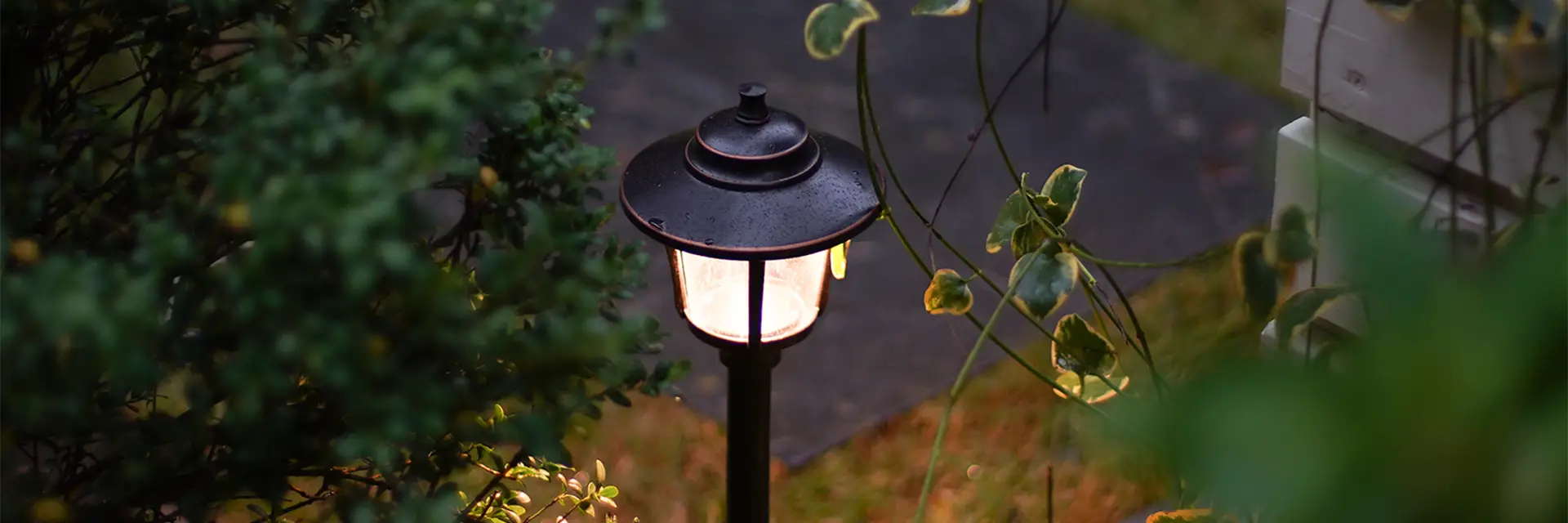
In the multi-million-dollar mansions of Silicon Valley tech moguls, Wall Street financiers, or Hollywood celebrities, you will always find a common secret: No matter how luxurious the estate, there is always a perfectly manicured lawn spread out before the entrance like a green altar.
This forms a fascinating mirror image to the East Asian tradition of “luxury homes must have a vegetable garden”—in the traditional courtyards of China and Japan, even the smallest space is reserved for a few stalks of scallions or rows of vegetables, a cultural gene of “farming and scholarly heritage.” In America, the lawn is not just landscaping; it is a social contract, status symbol, and way of life, supported by a massive industry worth hundreds of billions of dollars annually.
I. The Lawn: The Green Canvas of the American Dream
Historical Origins
Modern American lawn culture can be traced back to the 19th century. The manicured lawns of British aristocratic estates symbolized power and leisure. With suburbanization and the rise of the middle class, lawns evolved from an elite privilege to a standard feature of “respectable households.” In 1948, Levitt & Sons’ massive suburban development on Long Island, New York, packaged flat, uniform lawns as a “standard feature” of homes, cementing this ideal.
Sociological Significance
In America, lawns serve three key social functions:
- Community Identity: A well-kept lawn is a visual promise of being a “good neighbor,” signaling responsibility and community awareness.
- The Illusion of Equality: Regardless of house size, similar front lawns create a democratized visual parity.
- A Spatial Declaration: Expansive “non-productive” green space itself proclaims: “I do not need this land to survive.”
II. Lawn Economics: The Hidden Logic of a Trillion-Dollar Industry
According to the National Gardening Association, Americans spend over $40 billion annually on direct lawn care. This does not even include:
- Service revenues from thousands of professional lawn care companies
- Sales of equipment like lawnmowers, trimmers, and leaf blowers (over $8 billion annually)
- Consumables like grass seed, fertilizer, pesticides, and soil amendments
- The rapidly growing artificial turf installation market (growing over 10% annually)
The time cost is even more staggering: The average American household spends about 70 hours per year on lawn maintenance—equivalent to nearly two full workweeks.
III. Lawn Lighting: Innovation Under the Night Sky
When the sun sets, the lawn’s true stage comes alive. A carefully designed lighting system not only extends outdoor activity time but transforms the lawn into nighttime art. This has spurred a vast outdoor lighting industry, with several established categories seeing annual innovation:
1. Path Lighting: The Narrative Line of the Lawn
PATH LIGHTS have evolved from functional products to design pieces:
- Evolution: From generic mushroom lights → solar bollard lights → smart motion-sensing in-ground lights
- New Materials: Cast aluminum, verdigris iron, weathered steel, recycled glass
- New Technology: Integrated solar + storage, motion sensor activation, automatic color temperature adjustment by season
- Design Trend: Invisible Lighting—light sources completely hidden beneath the grass, revealing only the glow, not the fixture
2. Hanging Lighting: Constellations in the Air
The HANGING LIGHT family exploded post-2020:
- Pergola/String Lights: Low-voltage LED strings with smart controllers, programmable for effects like galaxies or auroras
- Tree-Hung Lanterns: Solar-powered spherical lanterns randomly hung from tree branches, mimicking firefly swarms
- Floating Light Globes: Inflatable solar light spheres, serving as landscape sculptures by day and self-illuminating by night
3. The Frontier of Technological Integration
- Eco-Smart Lighting: Automatically dims lights based on lawn moisture sensor data to reduce insect attraction
- Light Therapy Lawns: Specific-wavelength LEDs stimulate nighttime photosynthesis, reducing fertilizer needs
- Entertainment Integration: Synced with outdoor speakers and projection screens for immersive garden theaters
IV. Cultural Conflict and Environmental Debate
Lawn culture now faces unprecedented challenges:
The Water Dilemma
- Outdoor water use accounts for 30% of total household water consumption in the U.S., half of which is for lawn irrigation
- Southwestern states frequently issue water restrictions, spurring the “xeriscaping” movement
Chemical Pollution Controversy
- Fertilizers and pesticides traditionally used on lawns are contaminating groundwater
- The natural lawn movement is gaining traction, allowing “weeds” like clover and daisies to coexist
Generational Shift in Attitudes
Millennials increasingly prefer:
- Edible landscapes: Incorporating vegetable plots into lawns
- Low-maintenance alternatives: Artificial turf, ground cover plants
- Converting lawn space into social areas like outdoor kitchens or fire pits
V. The Future: Redefining the Lawn
Luxury estate lawns are undergoing a functional transformation:
- From Display to Experience
Lawns are no longer just “face projects” for viewing but become platforms for yoga, outdoor cinemas, or family football fields. - From Monoculture to Ecology
Drought-resistant grass seed mixes and native wildflowers are introduced to create self-sustaining micro-ecosystems. - From Daytime to 24/7
Lighting design makes lawns usable around the clock. Smart lighting can even simulate lunar cycles.
Conclusion: The Dialectics of Green Capitalism
Americans’ dedication to lawns reveals a profound consumer society logic: We industrialize, commodify, and standardize the most natural thing—a patch of grass—then invest enormous resources to maintain this “naturalness.”
The prosperity of the lawn lighting industry is the nocturnal extension of this logic: We use technology to mimic natural light (moonlight, fireflies) and expend energy to combat natural darkness.
Yet, a new generation of Americans is seeking a third way: neither fully returning to productive vegetable gardens nor blindly maintaining energy-intensive lawns, but creating intelligent, ecological, multifunctional outdoor spaces. Perhaps the luxury lawn of the future will be a playground for children by day, a gathering space for friends at dusk, and an ecological carbon sink by night.
Beneath this green turf lies not just automated irrigation pipes and fiber-optic lighting but also a micro-history of American values, environmental ethics, and technological civilization. Every roar of a lawnmower, every illuminated PATH LIGHT, tells the story of a nation’s complex and enduring relationship with the land.