
TERRACE | BEST IN LANDSCAPE LIGHTING | MAX your moment
Light as Declaration: Elevating from Garden Lighting to Community Ecology Design

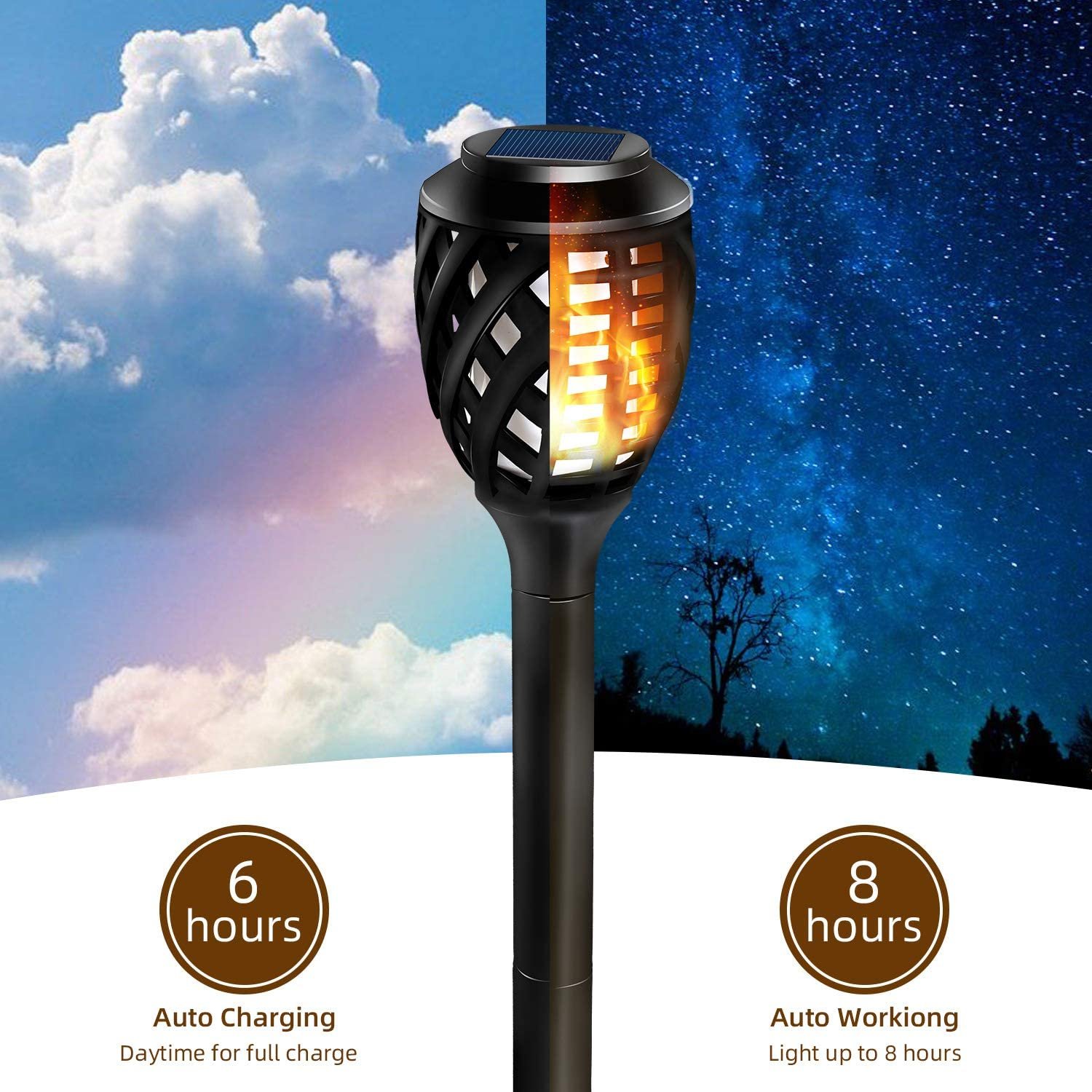
When dusk falls and houses along the street light up one by one, a silent dialogue of community economics and social life unfolds in the interplay of light and shadow. In today’s narrative context, garden lighting has quietly transcended its purely functional and aesthetic roles, evolving into a unique “social text”—it is both a nocturnal revelation of household prosperity and a real-time map of community ecology.
The Dual Nature of Light: Illumination and Revelation
The essence of a garden light is to provide illumination, but its symbolic meaning extends far beyond. In typical residential cultures, a well-designed and meticulously maintained outdoor lighting system constitutes a complex mechanism for transmitting social signals:
- The Visualization of Economic Vitality: Consistently lit garden lights imply the financial capacity for stable utility payments, the economic margin for regular maintenance, and the willingness to invest in aesthetics beyond mere necessities.
- The Barometer of Social Participation: Well-lit patios and gardens often signal active outdoor social lives, reflecting a household’s level of engagement within the community network and its chosen lifestyle.
- The Commitment to Asset Stewardship: A comprehensive lighting system typically correlates with the overall level of property maintenance, serving as an indirect indicator of both home value and owner responsibility.
Darkness as a Metaphor for the “Social Kill Line”
When the lights of a particular residence remain consistently dark, or when a once-cohesive lighting landscape shows a break, this phenomenon can convey signals that go beyond aesthetics. Within the narrative framework of social observation, this “interruption of light” can be read as a potential warning—it may hint at:
- A contraction in the economic space available for non-essential household expenditures
- A shift in the owner’s willingness or ability to invest in the long-term upkeep of the property
- Potential adjustments in the rhythm or structure of family life
This observation is not a judgment on individuals but reveals how, within specific social structures, the external presentation of private space inevitably becomes an object of public interpretation. The “presence” or “absence” of garden lighting inadvertently provides neighbors with a window into community dynamics.
Lighting Design as the Repair and Shaping of Community Ecology
It is precisely based on this profound social insight that professional garden lighting design is undergoing a paradigm shift from “serving a single household” to “shaping community ecology”:
1. Coordinated Design Fosters a Visual Community
Forward-thinking lighting schemes consider not only the needs of a single home but also emphasize harmony with the community’s overall architectural style, streetscape scale, and neighboring light environments. By establishing an implicit aesthetic consensus, light becomes an invisible bond that strengthens community identity.
2. Smart Systems Create a Baseline of Resilience
Lighting systems integrating smart controls, low-maintenance LED sources, and fade-resistant designs ensure the stability of a home’s external presentation. This “technological resilience” reduces unexpected interruptions in light signals caused by equipment failure, giving owners a greater sense of control.
3. The Safety Net Effect of Light
Systematic pathway and entrance lighting, while enhancing the overall safety perception of a community, also creates more inclusive nocturnal public spaces. This investment in a shared light environment objectively increases the appeal and cohesion of the entire block.
The Shift from Individual Narrative to Collective Value
When we examine garden lighting within the framework of community ecology, its value undergoes a fundamental transformation:
- For the Homeowner: The investment in lighting shifts from a “consumption expense” to a reinforcement of “community identity” and the “property’s economic moat.” Lighting becomes the frontline in maintaining one’s social assets.
- For the Community: A coordinated and layered nocturnal landscape becomes a public good that enhances area recognition, safety, and overall property values. Light design essentially participates in the construction of local culture.
- For the Designer: The task elevates from solving technical problems to understanding social semiotics and shaping community relationships. Lighting design becomes a tool for mediating social ecology.
Conclusion: Rewriting the Social Grammar of the Night
In an era where every private choice is subject to public interpretation, garden lighting has inevitably become a complex language of expression. Professional lighting design is, in essence, about helping homeowners master the grammar of this language—enabling them to gracefully “speak” of their own stability and taste in the night, while also contributing harmonious passages to the broader community’s nocturnal narrative.
When light is imbued with such profound social dimensions, lighting a garden is no longer merely a technical or aesthetic act. It becomes a vote for the community’s future, a subtle art of weaving social resilience in the dark. In this realm of intertwined light and shadow, good design ultimately achieves this: making every light a lasting statement of stability and hope, rather than a fleeting signal of consumption.