TERRACE | BEST IN LANDSCAPE LIGHTING | MAX your moment
The Barriers to Serving U.S. Clients: Why Knowing the Rules Is Itself a Competitive Advantage

There’s no doubt about it — despite the ongoing trade war between China and the U.S., the North American market remains, for the vast majority of exporters, the best and largest market out there. This isn’t about sentiment; it’s reality. Consumer spending power, market size, payment practices, and the legal environment — taken together, the U.S. market is still the most valuable single market in the world to cultivate over the long term.
But precisely because it’s so good, the barriers are high.
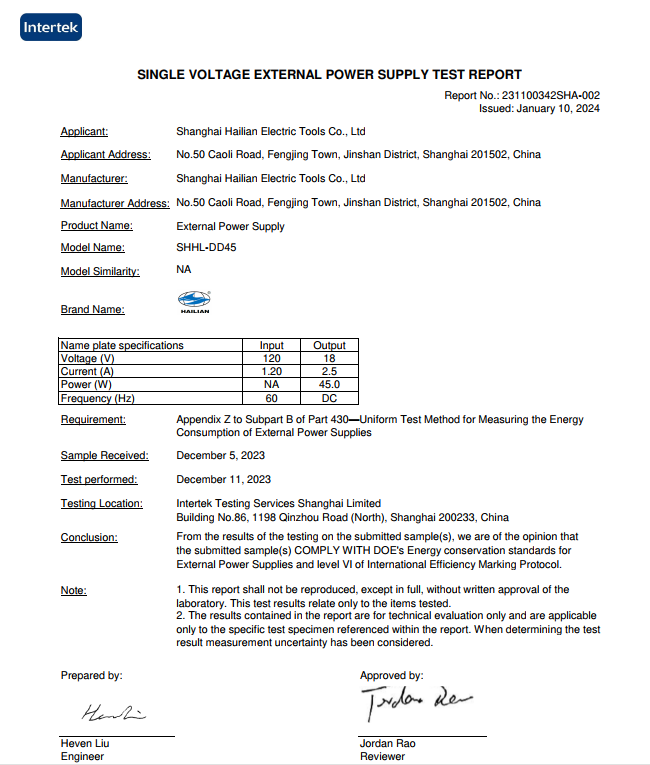
To truly enter the North American market — and especially to gain a foothold in mainstream channels — having a product alone isn’t enough. You need a series of hard barriers built into both the product itself and your factory’s qualifications. Take electronic appliances as an example: DOE certification is a classic case.
The DOE (Department of Energy) energy efficiency standard looks, on the surface, like a set of technical parameters. In reality, it’s a screening mechanism. For many manufacturers, their products may not even meet the standard. And even if a product does meet the standard, successfully obtaining market access qualifications and certifications is another challenge entirely. Testing procedures, documentation, factory audits, registration and filing — every step has the potential to trip up those unfamiliar with the rules. In a sense, this is an invisible moat.
And for U.S. customers — whether supermarket chains, brand owners, or wholesalers — these certification and compliance issues are never “nice-to-haves.” They’re table stakes. Without them, you don’t even get a seat at the table. With them, you’ve only just made it to the starting line.
And this is precisely where the true advantage lies for those of us who have been supplying the U.S. market for years: we know the rules of the game.
That’s not an empty statement. Knowing the rules means —
- Knowing which certifications are mandatory and which are optional enhancements;
- Knowing how to build compliance into the product definition phase, rather than having to go back and fix things after samples are already made;
- Knowing how to handle customers’ compliance questionnaires, factory audit checklists, and product traceability requirements;
- Knowing where the real risks lie when a customer makes a seemingly reasonable request.
These insights don’t come from reading a few standard documents. They’re built from time, trial and error, customer feedback, and even hard lessons. Throughout the entire business process, this familiarity with the rules helps both sides avoid enormous amounts of wasted time, communication overhead, and rework.
So the barrier to serving U.S. clients has never been about whether you can offer the lowest price. It’s about whether you can simultaneously meet the expectations of a mature market across compliance, quality, delivery, and responsiveness. And the flip side of that barrier is precisely the strongest moat for us “old-timer” suppliers.
If you also have experience serving U.S. clients, feel free to share in the comments the most unexpected regulatory hurdle you’ve ever encountered.